
Researchers, government, non-profits need to partner with Indigenous Peoples for effective biodiversity governance
The stewardship practices of Indigenous and other land-based peoples have been critical for the survival of the planet for millennia. Now facing the modern climate crisis, researchers argue recognizing and upholding traditional knowledge systems is imperative and should inform conservation efforts.
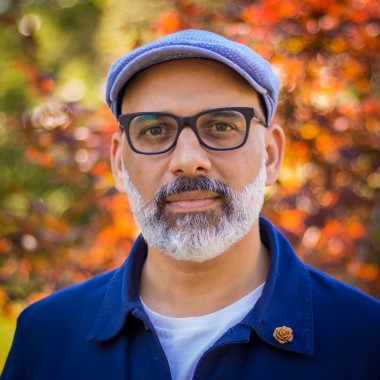
“Conventional conservation is heavily biased towards Western science and management solutions crafted by institutions such as universities, government ministries and NGOs,” says Dr. Faisal Moola, a geography professor in the College of Social and Applied Human Sciences, whose award-winning research explores Indigenous-led conservation of nature and environmental policy.
Moola is a co-author of a new paper published in BioScience, a collaboration of 19 researchers across five continents.
The paper argues that Indigenous stewardship practices, such as controlled burning, selective harvesting, and species translocation, are systematically underrepresented in both conservation research and policy. Addressing this gap could lead to more effective and equitable biodiversity governance, researchers say.
Traditional stewardship practices integral to maintain biodiversity
Recent attention has focused on the outsized contribution of Indigenous lands and waters for conservation, but researchers argue the ways in which Indigenous Peoples interact with nature also have numerous benefits for biodiversity.
“Conservation should not just focus on biodiversity itself but, also on the people who actively sustain it,” says Moola. “These practices support culturally important species, such as caribou or wild berries, and have broad ecological benefits across ecosystems in Canada and globally.”
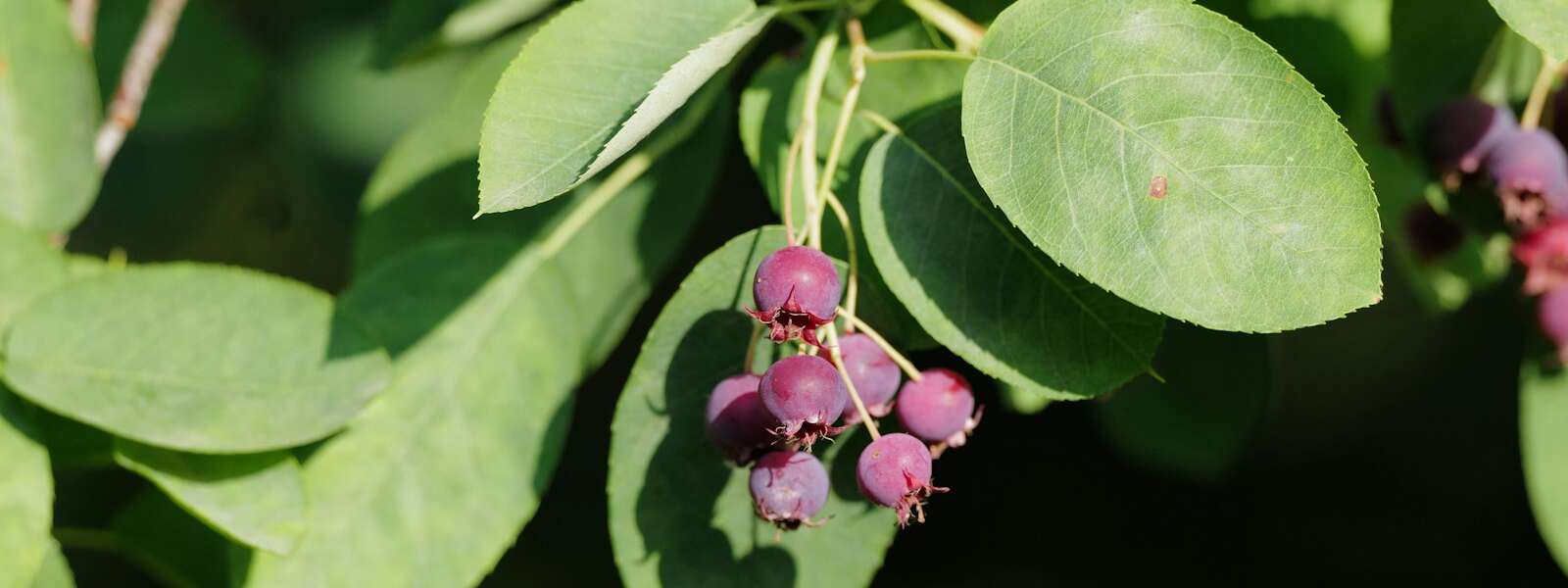
In the paper, Moola uses a case study on long-term practice of cultural burning to maintain healthy and productive Indigenous foodscapes, a practice of the Gitksan and Wet’suwet’en in northern British Columbia, as well as Indigenous Peoples across Canada. Periodic burning of wild berry fields removes dead and underproductive stems, enriches the soil with nutrients and maintains productive berry yields, along with other harvested plants and animals.
The harvesting and processing of berries hold social and psychological significance for First Nations, Inuit and Métis peoples and are an important source of food, medicine and revenue.
However, the combination of climate change, resource development and burn bans – all connected to colonial government decisions – have resulted in a decline in the quality and availability of the fruit.
That approach has advanced conservation solutions that separate people from nature, he explains. The establishment of protected areas has alienated Indigenous communities from their traditional lands and in some cases, criminalized their use of culturally significant plants and animal life.
Integrating traditional knowledge into research, policy
The sovereignty of Indigenous Peoples and their governance in conservation has until recently been disputed or actively suppressed by colonial governments in Canada and internationally, Moola says.
This has begun to shift at the federal level, where the Canadian government recognizes the need for consent and partnership with Indigenous Peoples in the establishment of new protected areas or other types of conservation. “However, this is not the case in most countries with Indigenous populations who continue to be marginalized in decision-making,” he says.
One of contributing factors Moola sees is that Western researchers are not engaging directly with Indigenous or local communities to ask them about traditional stewardship practices. This severs the relationships that scientists need to have with land-based peoples to learn from them, he says.
Therefore, critical Indigenous environmental knowledge is often absent from the scientific literature, which reinforces the dominance of western thinking over Indigenous ways of knowing in management and policy decisions.
“There is a growing problem where scientists, especially students, are increasingly spending very little time in the field, in favour of highly technical data collection methods such as remote sensing and the prospect of AI, with little or no personal interaction with Indigenous knowledge holders,” he says.
“Researchers must partner with Indigenous Peoples. They need to spend time on the land learning from local communities and actively integrate traditional knowledge in their research where possible.”