
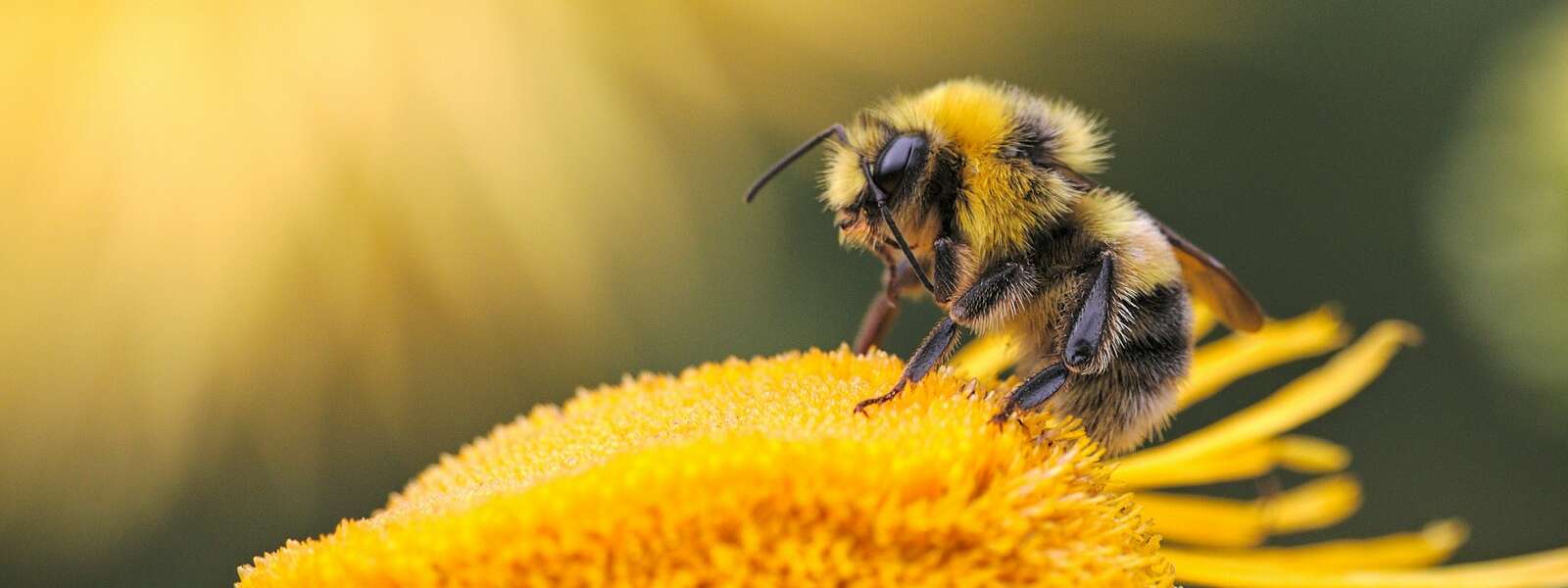

As honey bee colonies continue to deal with devastating losses each year, work developed by researchers at the University of Guelph is helping change that.
There are plenty of threats to colonies, including volatile weather brought on by climate change and changing land use patterns. But Varroa mites continue to pose the biggest threat in Canada. These mites kill bees by slowly feeding off their body fat and blood and transmit viruses including deformed wing virus (DWV), shortening their lifespan by 50% or more.
That’s where U of G’s Honey Bee Research Centre (HBRC) comes in. The team there, led by Dr. Ernesto Guzman, has developed the Low Varroa Growth (LVG) breeding system, allowing beekeepers to assess their colonies for genetic traits increasing resistance to the mite.
“Breeding honey bees for resistance to mites will, over time, translate to lower colony losses, less reliance on chemical mite controls and lower labour costs for beekeepers,” explains Paul Kelly, research and apiary manager at HBRC.
Bees play a huge role in our agricultural system, providing pollination for one-third of the food that ends up on our plate. The majority of that pollination—80%—comes from managed honey bee colonies.
“Fruits, nuts, berries, vegetables and seed crops all need bee pollination to survive,” Kelly says.
As bee colonies continue to face catastrophic loss through the winter months, Kelly says they’re working closely with beekeepers and groups across Canada to implement the LVG system.
“Breeding for LVG is mandatory for membership in the Ontario Resistant Honey Bee Selection Program,” Kelly says, adding the U of G team worked closely with the Ontario Beekeepers Association Tech Transfer Program while developing LVG.
Their reach also extends past Ontario, with LVG breeder queens now in British Columbia colonies. The team also shares their knowledge with bee keepers at conferences across North America.
Efforts by the research team are working, if lower colony loss is any indication.
While the 2025-26 winter loss won’t be fully calculated until June, Kelly says anecdotally, the bees seem to have done better this year. So far, U of G colonies have seen losses of about 18%. In past years, those numbers have been as high as 50%.
Kelly is available for interviews.
Contact:
Paul Kelly
pgkelly@uoguelph.ca