
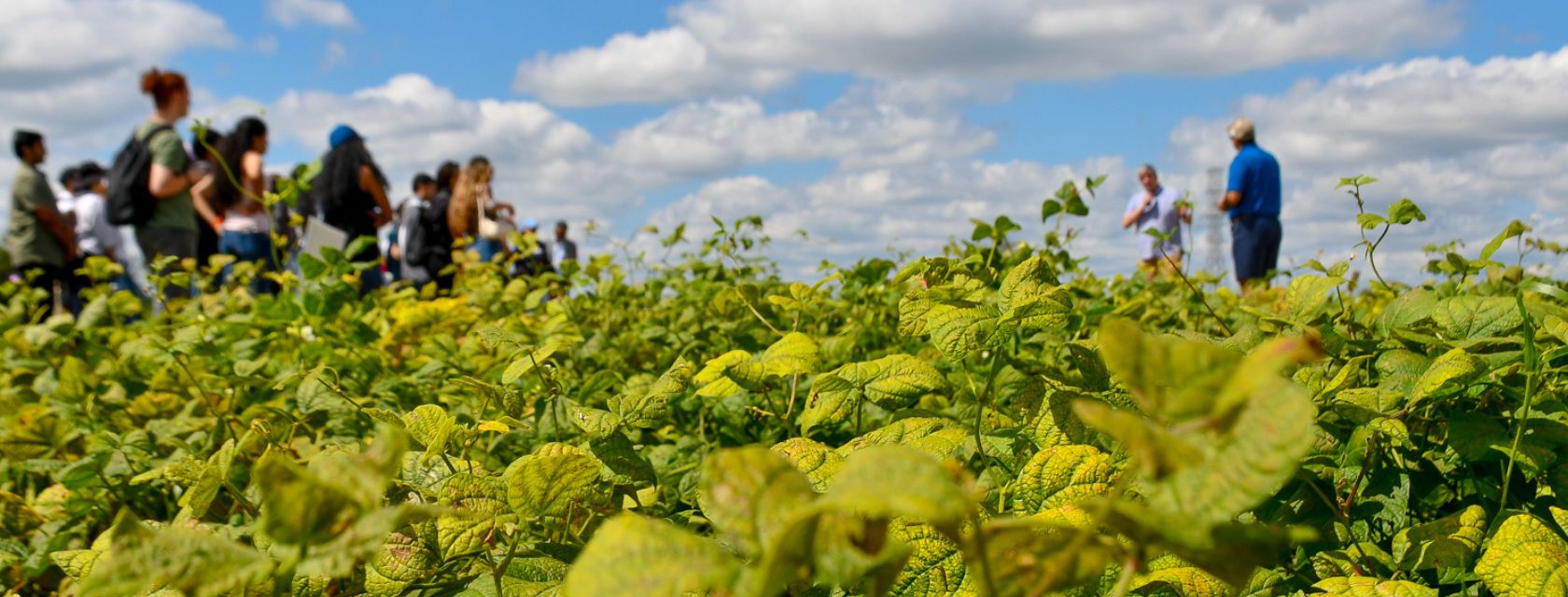
University of Guelph-developed AI tool strengthening food supply by selecting ideal dry bean varieties faster
A new “super bean” developed with help from artificial intelligence could reach farmers within a few years, the result of University of Guelph research using AI to speed up the plant breeding process and increase productivity.
It’s thanks to BeanGPT, a platform designed to help producers uncover the best beans to grow in their local conditions.
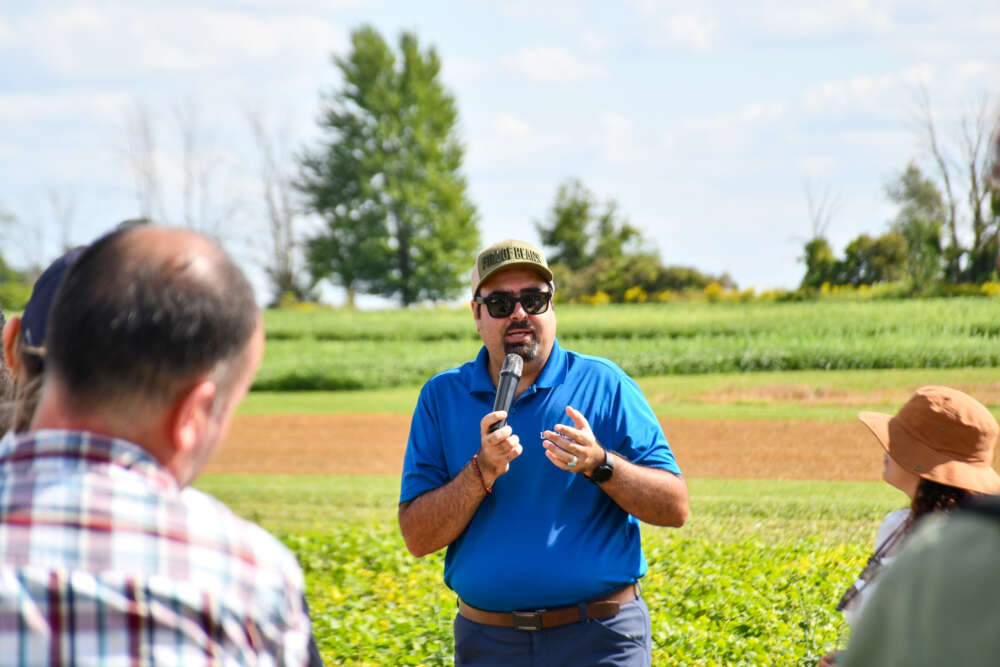
BeanGPT is built on more than 314,000 scientific articles, along with archives of anecdotal observations and notes from more than 40 years of dry bean breeding research here at U of G.
“There was so much valuable information already here that we weren’t accessing,” explains Dr. Mohsen Yoosefzadeh Najafabadi, who leads the Dry Bean Breeding and Computational Biology Program in the Ontario Agricultural College. “It allowed us to develop an actual memory for the program.”
That memory has resulted in a robust hybrid AI platform that allows producers to input data on growing conditions, goals and disease. BeanGPT scans its extensive database to suggest the best crosses for a particular growing area. The result is a tailor-made dry bean customized for weather patterns, soil and a changing climate.
“We have field trials, genetic information, phenotyping, drone imaging, seed quality, weather and soil data right at our fingertips,” Yoosefzadeh Najafabadi says. “Using all this data, we can go from tens of thousands of suggested crosses to just a few hundred.”
The platform, already in use by Ontario Bean Growers, explains why each cross would be successful, allowing farmers to save years of development and acres of viable farmland.
“We have the power of history, current science and the future,” Yoosefzadeh Najafabadi says. “This is a revolutionary thing in plant breeding.”
‘Super bean’ has high yield, resists disease
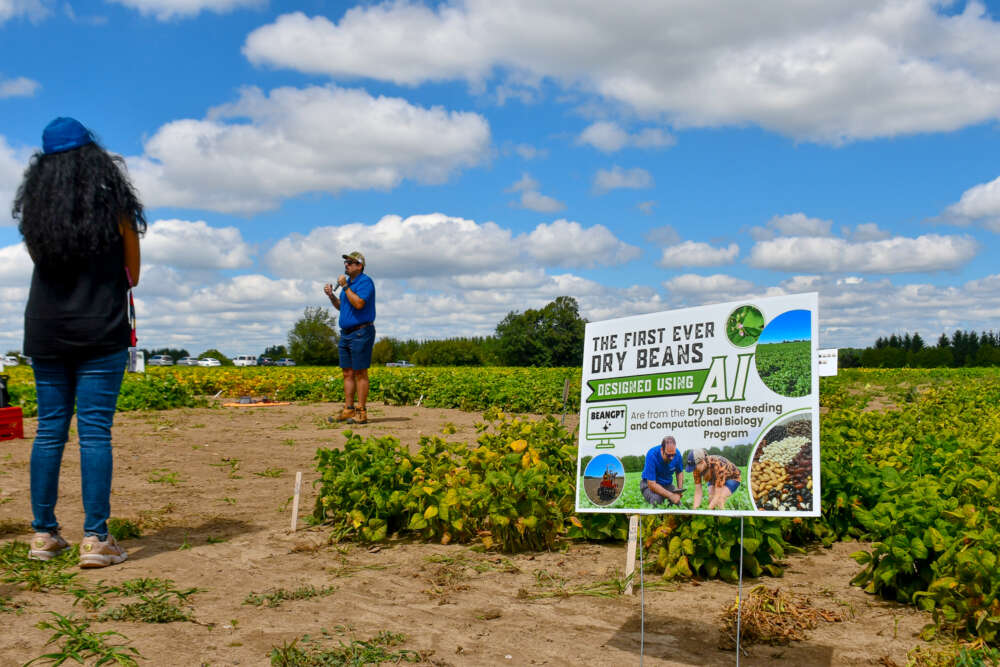
The first dry bean developed by BeanGPT doesn’t have a name just yet but can be described as a “super bean,” built over five plant generations.
“We selected four market classes of navy, black, kidney and cranberry beans,” Yoosefzadeh Najafabadi says. “The bean was developed to have higher yield and disease resistance, and we’ve been successful with that. Within a few years, we’re hoping to see it in the market.”
Yoosefzadeh Najafabadi points out that AI helped guide the dry bean breeding process but didn’t manufacture the plant. Crossbreeding is already common practice and BeanGPT is helping refine that process.
“The crossing itself is conventional; what is new is that AI helped us design which cross to make,” he says. “For years, AI helped us study plants. Now it is helping us design the next one.
“To me, the exciting part is seeing something that began as an AI-supported breeding decision now growing as a real population in the field.”
Beans filled with protein, fibre
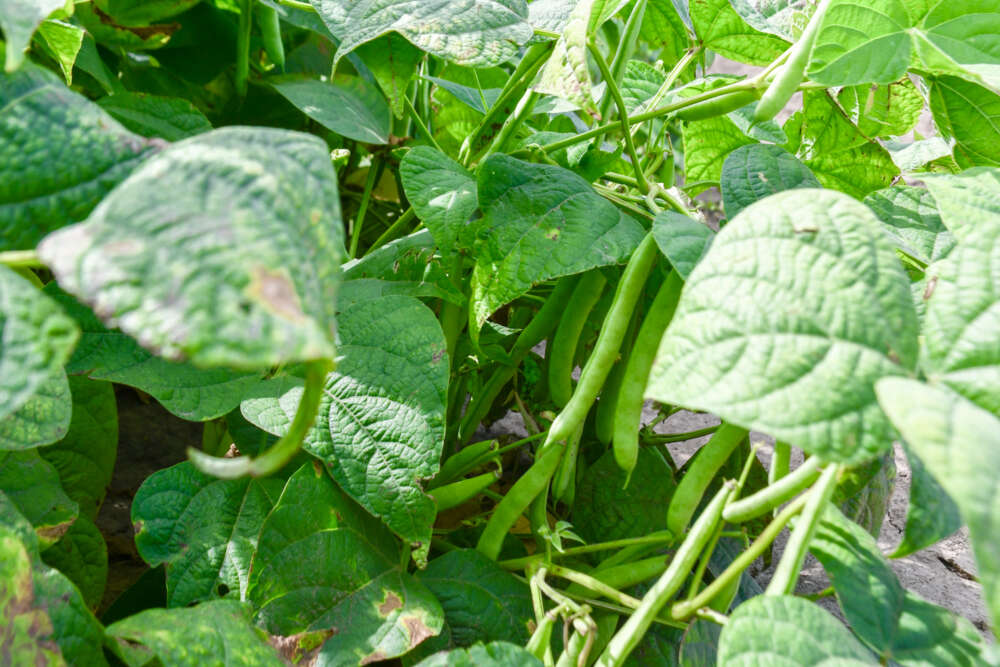
Dry beans may be an overlooked food because of their small size, but Yoosefzadeh Najafabadi says they’re incredibly important for human health.
“They’re good for protein, iron, fibre and more,” he says. “The canning quality of our beans is also very high, so they’re great for long-term storage.”
They also have another role in Canada’s agriculture sector: the parts of the bean plants not typically consumed by humans can become livestock feed.
With BeanGPT, Yoosefzadeh Najafabadi is confident he can continue to make dry beans even better.
“We’re not just focused on the quantity, which is looking at yield, maturity, and disease,” he says. “We also want to make sure our beans have the highest quality as well.”
BeanGPT marks another milestone in four decades of bean breeding innovation at U of G. Other successful projects include developing the award-winning Dynasty kidney bean, which has become the kidney bean of choice in Ontario, accounting for more than 90 per cent of all acreage in the province and 50 to 60 per cent of acreage across North America.
Homegrown beans promoting Canada’s food sovereignty
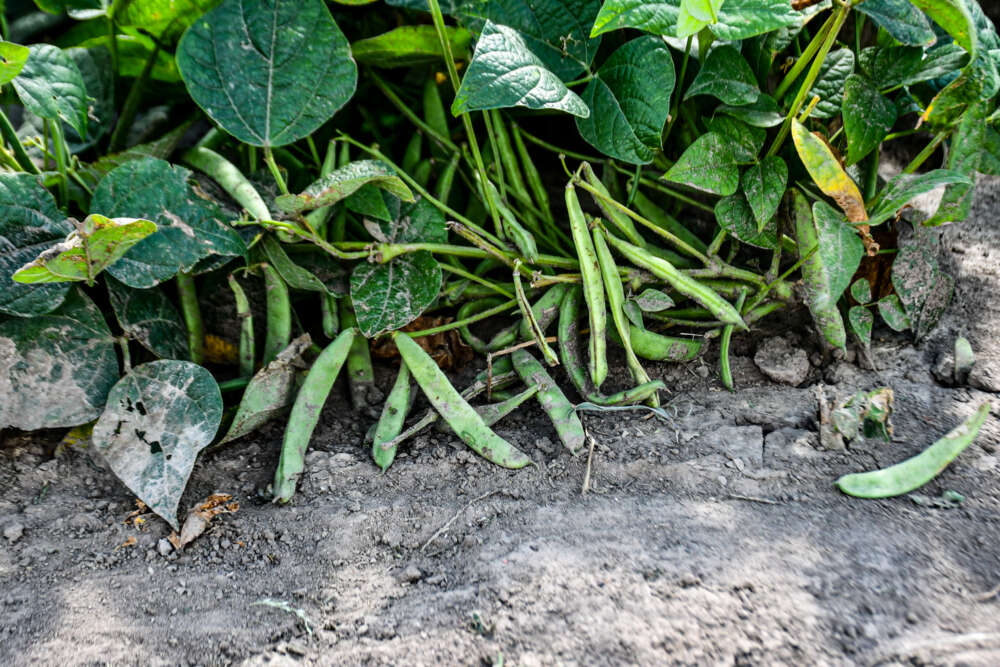
Every year, U of G’s dry bean breeding program develops hundreds of crosses to continue improving genetic diversity, working with bean producers and industry groups to improve yield and quality and promote Ontario’s agricultural sector.
As Canada’s agri-food sector continues to grapple with threats from tariffs and climate change, Yoosefzadeh Najafabadi says BeanGPT and other advancements can increase Canada’s sovereignty to create a more reliable food system.
“The goal is to have a totally independent food supply,” he says. “Technology will help us increase our productivity exponentially, letting us grow food right here right on home soil.
“If we can guarantee higher yield and higher performance, our food security is guaranteed.”
As crosses from BeanGPT move towards market readiness, Yoosefzadeh Najafabadi says this is just the beginning for his platform. He’s already received interest from other plant breeders, with opportunities to expand into grains, soybeans, wheat, lentils and more.
“Soon, we’ll have a massive AI hub for all crops. It will mean farmers, researchers and technicians can find everything they need in one place.”
U of G’s dry bean breeding program is made possible by the Ontario Agri-Food Innovation Alliance, a collaboration between the Government of Ontario and the University of Guelph. The Ontario Crops Research Centre in Elora is owned by Agricultural Research and Innovation Ontario, an agency of the Government of Ontario, and is managed by U of G through the Alliance.