
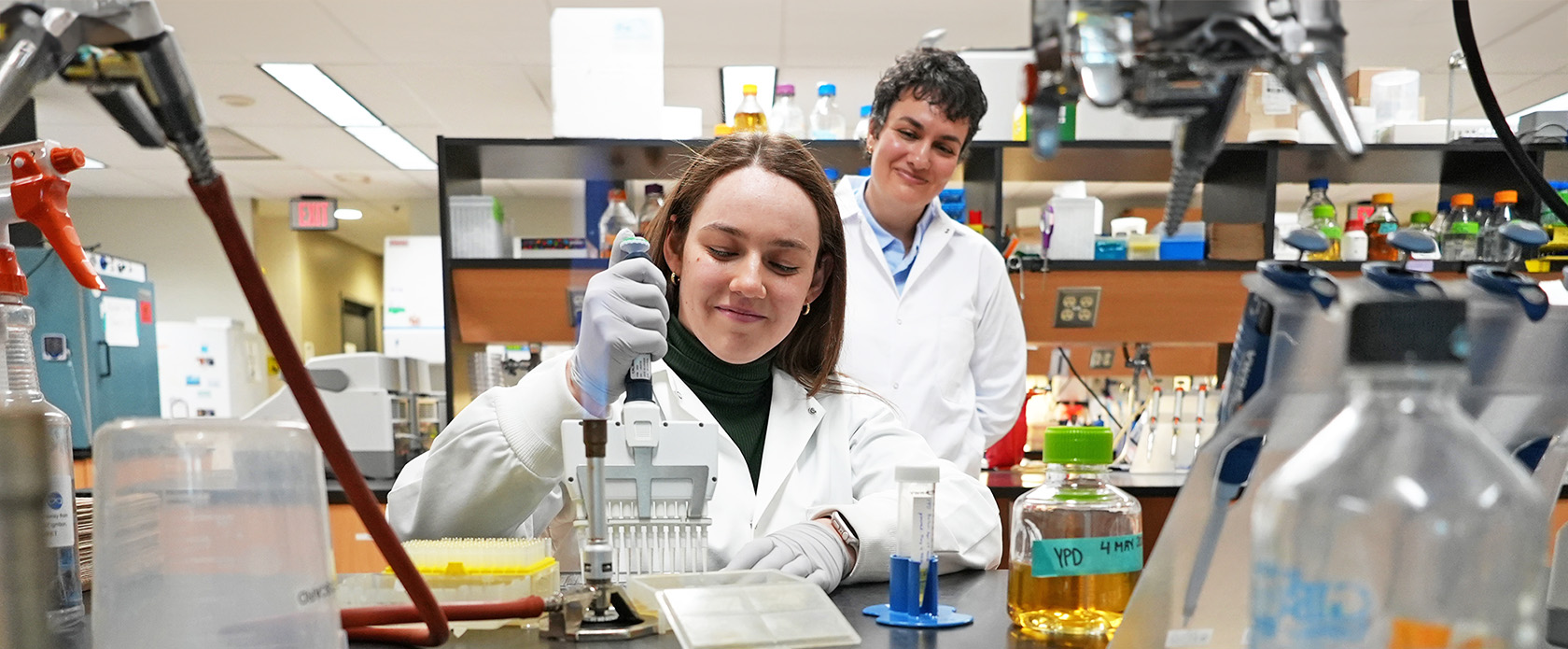
U of G lab uses CRISPR interference technique to spot vulnerabilities in Candida fungus
Researchers at the University of Guelph have developed a faster way to identify potential drug targets against a dangerous fungal pathogen, allowing for the study of hundreds or thousands of genes simultaneously, instead of one at a time.
The new system, developed in the lab of Dr. Rebecca Shapiro in Molecular and Cellular Biology, could reduce the time from laboratory discoveries to clinical applications by years, at a time when drug-resistant fungal infections are becoming a global health concern.
The research, led by postdoctoral fellows Drs. Lauren Wensing and Philippe Després and published in Nature Microbiology, focuses on Candida albicans, a leading cause of life-threatening invasive fungal infections.
“People are starting to realize how dangerous fungal pathogens are,” says Wensing. “We only have so many drugs that we can use to kill the fungus that won’t also harm humans, and there is widespread resistance now to the three of the four major classes of antifungals.”
Using gene editing technologies, the Shapiro Lab studies fungal genomes to identify vulnerabilities that could eventually become targets for new antifungal medications.
Unlike traditional CRISPR gene editing, which cuts or deletes DNA, the team adapted a process called CRISPR interference, or CRISPRi, which instead dials down, or represses, a gene’s activity. This new system allows researchers to study genes that are essential for the fungus’s survival. Deleting these genes outright through traditional CRISPR methods would kill the cell, making it impossible to study the impact of smaller interferences.
Shapiro Lab identifies fungal genetic vulnerabilities
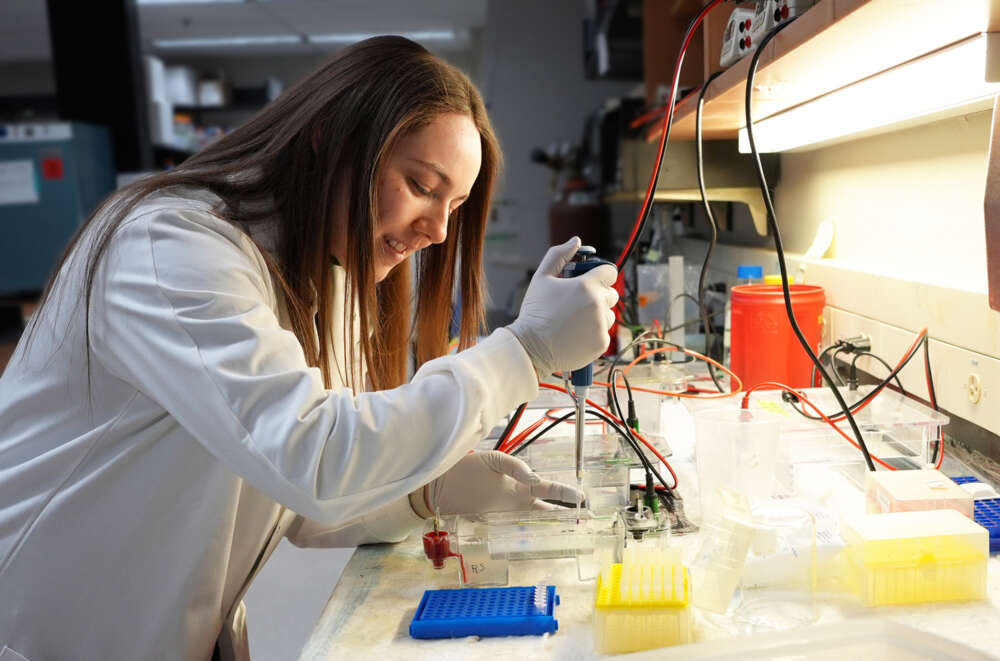
Since humans and fungi are so evolutionarily similar, Shapiro’s team focused on 130 fungal genes with no close human equivalent, in order to reduce the potential for damage to humans. They then partially repressed one gene at a time in hundreds of fungal strains. They pooled these engineered fungal strains, each carrying repression of a different gene, and tested them under a range of environmental conditions.
By sequencing genetic “barcodes” associated with each strain, researchers could determine which strains struggled most to grow or survive when a gene’s activity was slightly reduced. These “sensitive” genes make the most promising drug targets, since they could respond strongly to drugs.
The team identified 16 promising antifungal targets that remained sensitive to repression across multiple fungal strains, including drug-resistant patient isolates, and a variety of environmental conditions. Some of these genes have been well characterized, while others have never been studied before.
While CRISPRi has been used extensively in bacterial and human cells, tools to study the fungal genome have lagged, in part because of physiological challenges with manipulating fungal cells. Past fungal gene repression research was slow, studying one strain at a time, and building large-scale fungal screening libraries has typically taken years. CRISPRi could reduce that timeline to weeks.
The research builds on earlier work by Wensing and Shapiro, which first adapted CRISPRi for use in a fungal pathogen in 2019. This new study expands that proof-of-concept into a scalable screening platform capable of analyzing hundreds or thousands of fungal genes simultaneously. Ongoing work in Shapiro’s lab is analyzing all 6,000 or so genes in the Candida genome.
Candida albicans a growing public health threat
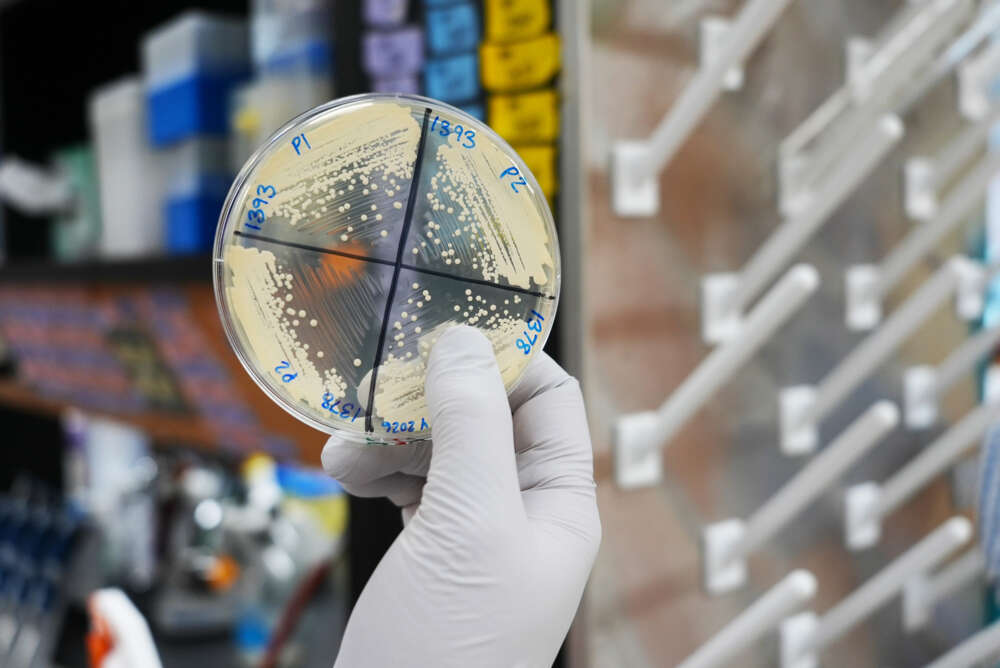
In 2022, in recognition of the growing threat of fungal pathogens, the World Health Organization published the Fungal Priority Pathogens List, which includes the Candida species. The initiative has spurred increased awareness of the problem, as well as funding for research on fungal pathogens and antifungal resistance.
“Many fungal infections are a newer problem, in the last several decades, because advances in medicine mean we’re keeping vulnerable people alive longer,” says Shapiro. “They tend to cause really problematic infections in people with compromised immune systems, such as those taking immunosuppressive drugs because they’ve had a transplant, patients receiving chemotherapy, or those living with HIV/AIDS.”
Climate change, too, may be playing a role in the increasing danger of fungi, with some researchers concerned that environmental fungi are adapting to warmer temperatures, and becoming increasingly able to survive at human body temperature.
Another fungal pathogen, Candida auris, was first identified in a patient in 2009 and has since spread globally, causing outbreaks in hospitals and long-term care facilities while showing resistance to multiple antifungal drugs.
Now that the CRISPRi platform has been demonstrated at scale in Candida albicans, Shapiro’s lab is beginning to test the system on other fungal pathogens, including species in the Cryptococcus genus.
This study was supported by the Canadian Institutes of Health Research (CIHR), the Canadian Institute for Advanced Research (CIFAR) and the U.S. National Institute of Allergy and Infectious Diseases.