
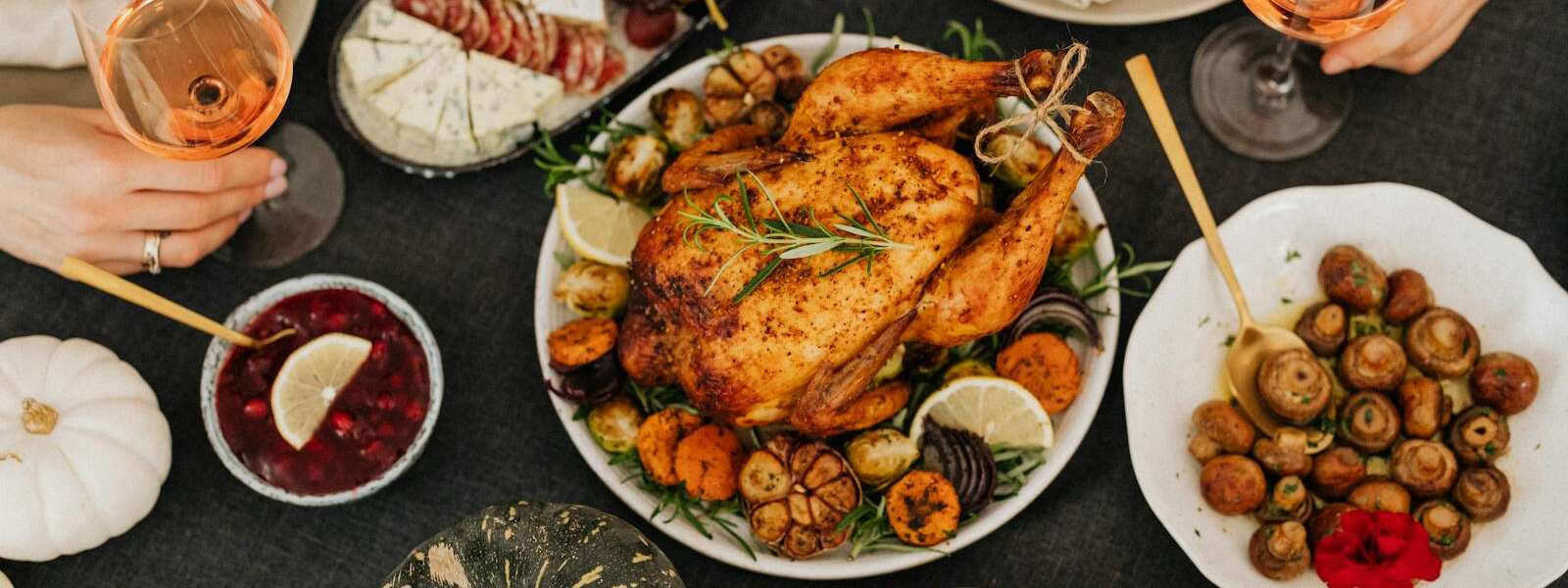

Ensuring holiday traditions are honoured amid rising food prices will be a challenge for many Canadian families this year, but affordability will be consumers’ top priority, says a University of Guelph researcher.
“While inflation has slowed, food prices remain substantially higher than they were several years ago, and many households are feeling the strain,” says Dr. Sadaf Mollaei, professor in the School of Hospitality, Food and Tourism Management and Arrell Chair in the Business of Food.
The Canada Food Price Report 2026 predicts food costs will rise another 4-6% next year, an increase that translates to nearly $1,000 more for an average family of four.
“The way people design their meals will reflect ongoing concerns about affordability,” she says, opting to simplify their menus, incorporate more affordable proteins or rely more on frozen or shelf-stable ingredients.
Are we still ‘buying Canadian’?
The Buy Canadian movement continues to inform the products people are purchasing, Mollaei notes. However, research looking into consumer behaviour consistently shows that price remains one of the major factors, if not the most important one, influencing food choices, she says.
“The movement still holds cultural and emotional appeal,” she continues, “but its influence on actual spending is moderated by household budgets.”
During the holidays, Canadian-made products such as dairy, baking ingredients and certain produce will still appeal to shoppers, but Mollaei estimates high food costs mean consumers will probably prioritize value first and national origin second.
Mollaei offers some tips for households to manage costs while still enjoying the holiday season that include advance meal planning guided by a set budget, using frozen or canned ingredients which offer nutritional value and reduce waste, sharing the load with communal meals, buying in bulk where possible, making strategic use of discount retailers and food rescue apps or buying seasonal and local foods which avoid shipping and tariff costs or supply chain disruptions.
Sticker shock might be guiding the tone of this year’s gatherings, but the social aspect of the holidays remains a priority, Mollaei says. “People tend to preserve these traditions even during periods of financial pressure.”
Contact:
Dr. Sadaf Mollaei
smollaei@uoguelph.ca