
U of G research reviews program in which participants received free fresh produce every week
Food insecurity is growing across Canada. But what if fresh food could be distributed to those who need it most?
With at least 4 million Canadians struggling to regularly buy fruits and vegetables, an approach known as produce prescriptions (PRx) is gaining traction as a tool that could promote healthier diets.
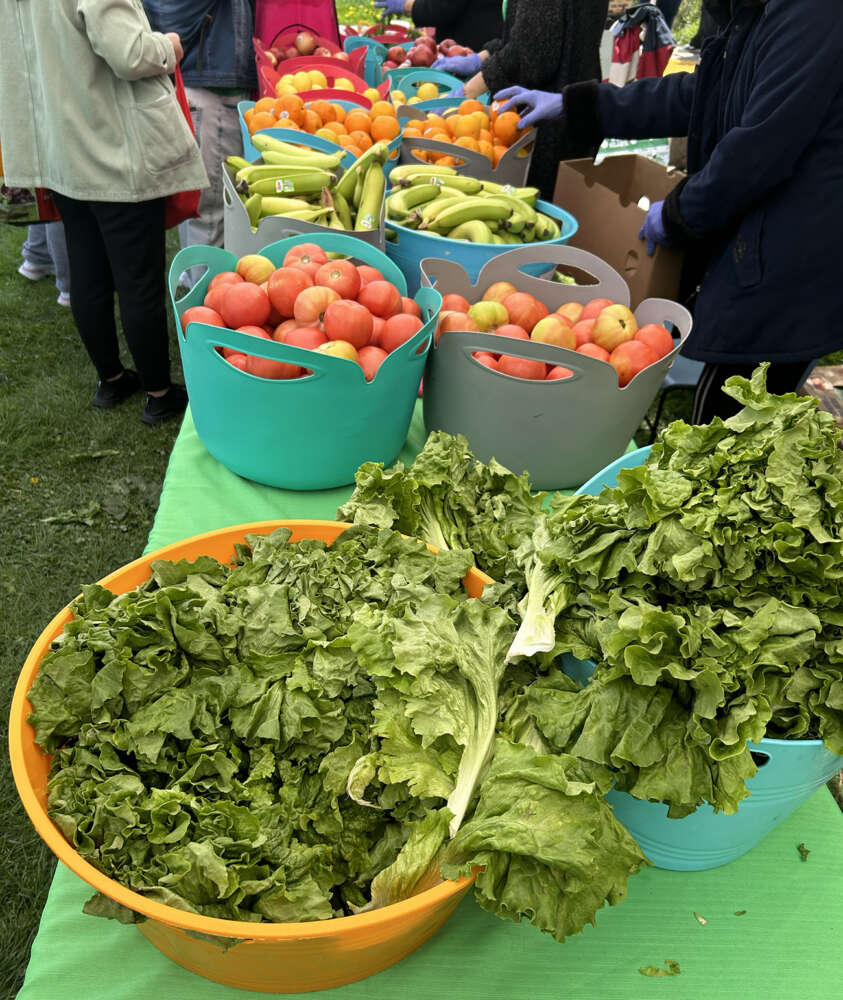
A form of social prescribing, PRx sees health-care providers connecting patients with free fresh food programs to help bridge the gaps between health care and social services. But how feasible are such programs?
University of Guelph researchers have led a new study of a PRx program piloted in Toronto and found several successes as well as several barriers.
In a paper published in BMC Primary Care, researchers led by Dr. Ashleigh Domingo, human health sciences professor in the College of Biological Science, examined a PRx program that launched in the summer of 2024.
The program was run by Unison Health and Community Services at one of its centres in north Toronto to promote healthy food for adults facing food insecurity and chronic disease risk. It involved:
- providing participants with weekly fresh fruits and vegetables
- monthly in-person nutrition workshops
- and calls with a dietitian or community health worker to set and review healthy living goals.
Domingo, along with Madison Fach, a graduate of U of G’s Master of Public Health program, and Rose Holub, a graduate of the Applied Human Nutrition program in the College of Social and Applied Human Sciences analyzed the program’s success by reviewing call logs, focus group discussions and interviews with program facilitators and participants.
Bridging gaps between health care and social services

They found the PRx program supported those experiencing food insecurity, offering a pathway to resources in the community and health care system.
One highlight was the program’s “person-centred approach.” Facilitators intentionally gathered feedback to better suit participants’ needs, which resulted in increased engagement and more positive experiences with the program.
“For me, it wasn’t just the vegetables and the fruits that I got that helped so much, especially when I’m out of work,” said one participant. “It was the fact that every week I was interacting with the group and having good laughs, and it became almost like a routine, almost expecting, ‘it’s Wednesday tomorrow, and I’m going to go really early and get to talk to people.’
“It was the whole thing together that made it a really good experience — more than I expected.”
Participants also appreciated the knowledge they gained about healthy eating. Alongside the nutrition workshops, many used the recipes provided with the produce to try foods they had never cooked with before, such as okra and eggplant.
“My son wouldn’t eat vegetables except for lettuce … and now he’s eating all the vegetables,” said another participant. “Because of the way I cook it, he’s asking for more.”
The study emphasized the need for flexibility when it came to creating and implementing PRx programs for each community. Primary care providers should look toward collaboration with established community health centres to better provide these services.
Long-term challenges to food insecurity won’t be fully solved
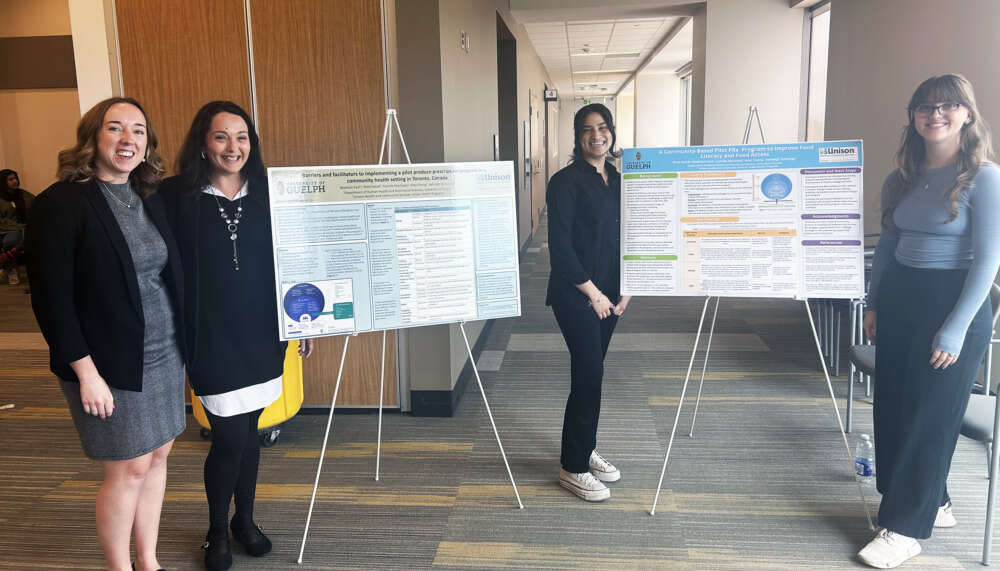
The study also examined challenges that PRx programs face in Canada. One notable constraint is the increased costs facing programs during winter months.
Much of the produce sold in Canada at this time of year is imported, leading to extra fees. As winter is already difficult for people facing financial insecurity, it may be pivotal for future programs to consider how to maintain operations year-round.
The researchers also acknowledge that PRx programs can’t fully solve the problem of food insecurity and its health consequences.
“Strategies beyond community programs are still needed to support long-term change and food security, including policy reforms to support low-income households and improve food affordability,” says Domingo.
The Unison pilot program was inspired by similar projects, including the FRESH Food Rx program in Guelph, supported by The SEED Guelph and the Guelph Community Health Centre.
With files from Kyle Salter, CBS communications assistant