
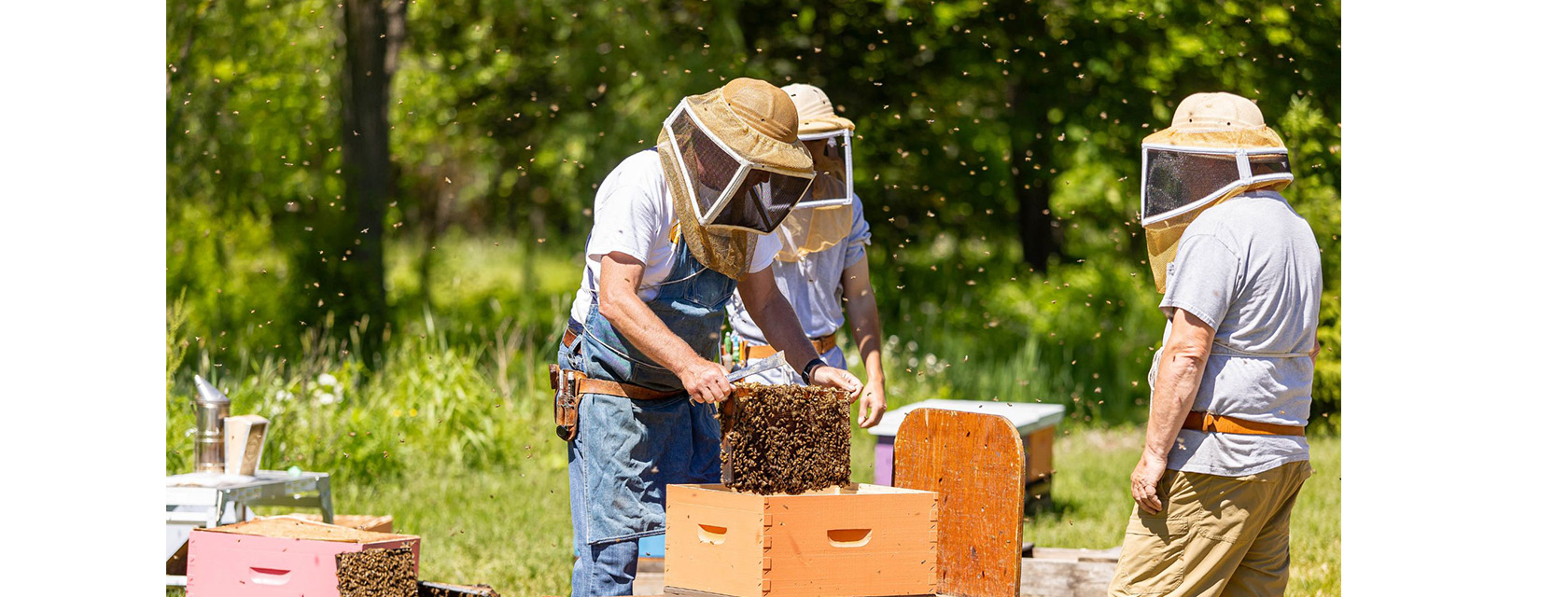
For more than 100 years, the Honey Bee Research Centre at the University of Guelph has educated beekeepers and provided vital research and expertise to improve honey bee health.
Here’s a look at some of the HBRC’s lasting impact.
One of North America’s oldest honey bee research facilities
Apiculture research began at what would become the University of Guelph back in 1894, making it one of the oldest programs of its kind in North America. The Ontario Agricultural College (OAC) built its apiculture building in 1920, the first in North America dedicated to beekeeping research and education.
Creamed honey invented in Guelph
The spreadable honey now commonly available in stores comes from a process developed in the late 1920s at the Ontario Agricultural College by Dr. Elton J. Dyce, who was the first to discover how to control crystallization while making honey creamy instead of grainy.
Developed varroa mite‑resistant breeding
Researchers at the Honey Bee Research Centre (HBRC) developed a game-changing bee breeding system called Low Varroa Growth, or LVG, to select bees that naturally resist varroa mites, the most serious parasite affecting honey bees. The method reduces colony losses, lowers dependence on chemical treatments and has become the standard for Ontario beekeepers and beyond.
OAC pollen trap invented at U of G
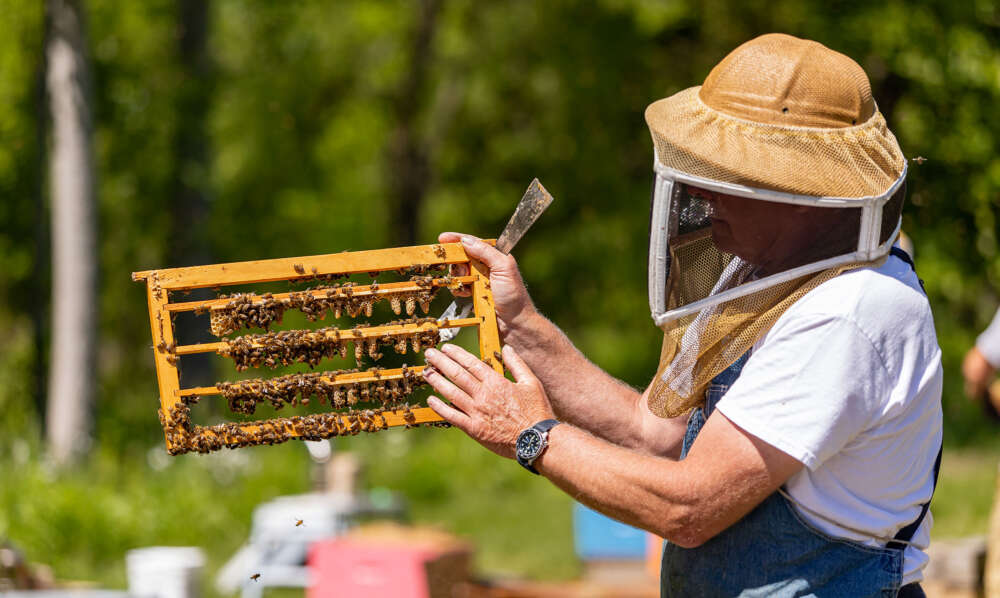
The OAC pollen trap was designed by U of G apiculture researchers in 1962 and is still the standard in research and commercial beekeeping today. The screening device collects a portion of pollen from the legs of bees returning to their hives, which beekeepers can then use for queen rearing or sold to producers of bumblebees for commercial greenhouse pollination. While many other pollen trap designs have since been developed, including the OAC 2.0, they are all based on the OAC original.
Taking beekeeping education international
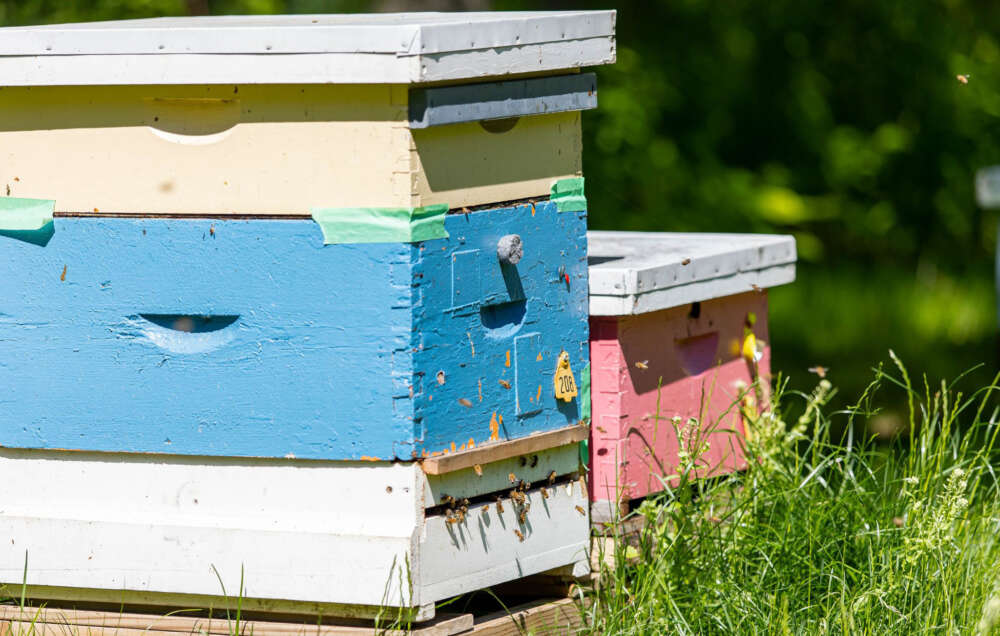
For nearly 25 years, the HBRC has contributed to global honey bee knowledge by educating international students and interns from Europe, South America, Asia and more. More than 30 veterinary medicine students from Mexico alone have participated in a long-standing internship program at the HBRC to gain skills in beekeeping and bee pathology while contributing to research projects here at U of G.
Practical beekeeping equipment innovations
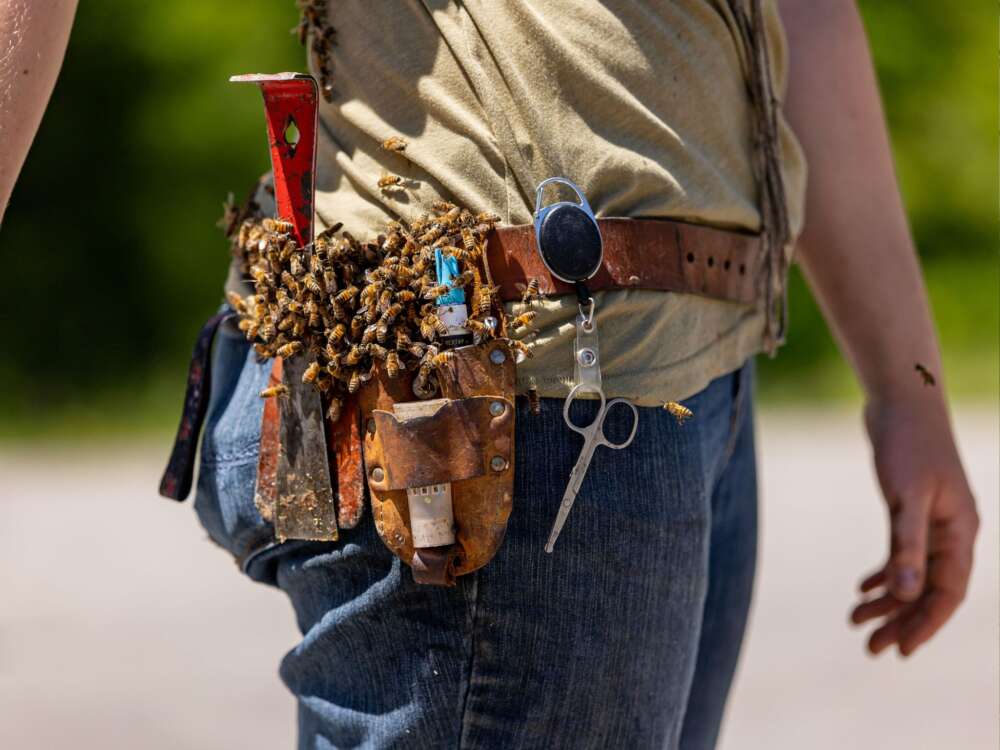
Staff at the HBRC have designed and refined many inventions now commonly used by beekeepers in Ontario and beyond, including a beekeeper tool belt, winter hive wraps, nucleus colony boxes and queen bee rearing equipment. What’s more, HBRC designs and blueprints are freely available for download on the HBRC website.
Produces 15 tons of honey a year
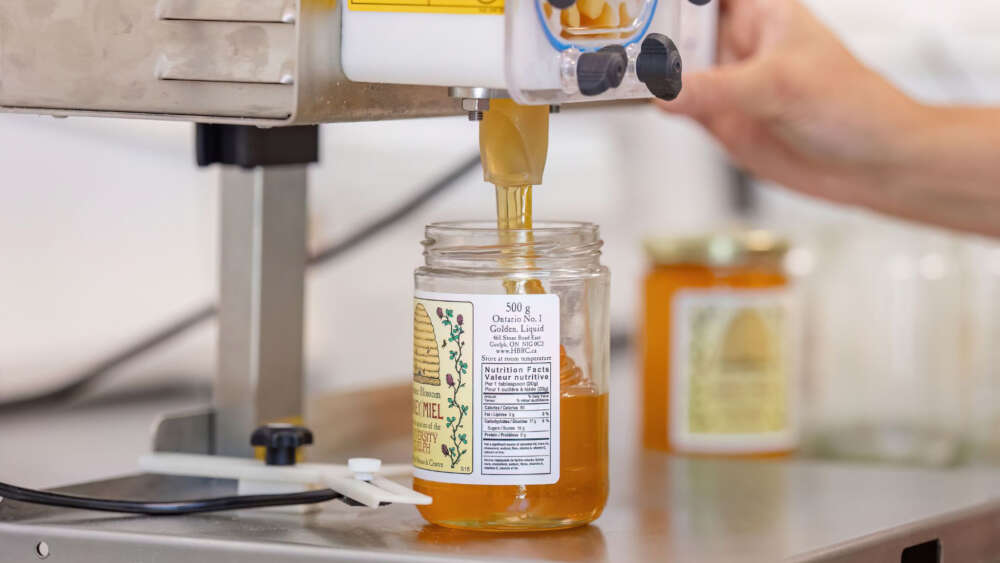
The Honey Bee Research Centre currently produces an average of 14,000 kgs, or 15 tons, of honey annually from 13 apiary locations, and the new honey extraction equipment at the renovated HBRC will allow for even more production of honey and beeswax products. As a non-profit university facility, 100% of product sale proceeds at HBRC go directly back into funding honey bee health research and education.
HBRC YouTube stars
The Honey Bee Research Centre’s YouTube channel is one of U of G’s most popular video channels and has become a widely used educational resource for beekeepers around the world. The channel has more than 80,000 subscribers and dozens of instructional videos that have been translated into 14 languages, which were produced with funds from U of G alumni donor support, crowdfunding, and the Ontario Agri-Food Innovation Alliance, a collaboration between the Government of Ontario and U of G.
U of G Apiculture Club one of oldest in Canada
The University of Guelph Apiculture Club dates back to the late 1800s, making it one of the oldest student groups connected to beekeeping in Canada. Members take part in honey bee educational outreach, produce hive products such as beeswax lip balms and fundraise for international beekeeping development projects, all while gaining practical experience and connecting with the beekeeping industry.
Thousands of visitors each year
The HBRC welcomes 5,000 visitors each year, from school groups to everyday visitors, and that number is expected to grow with the newly opened space. As part of its education and outreach mandate, the HBRC offers beekeeping courses and tours for students and adults that emphasize honey bee biology, habitats and the vital role bees play in food production and ecosystem health.
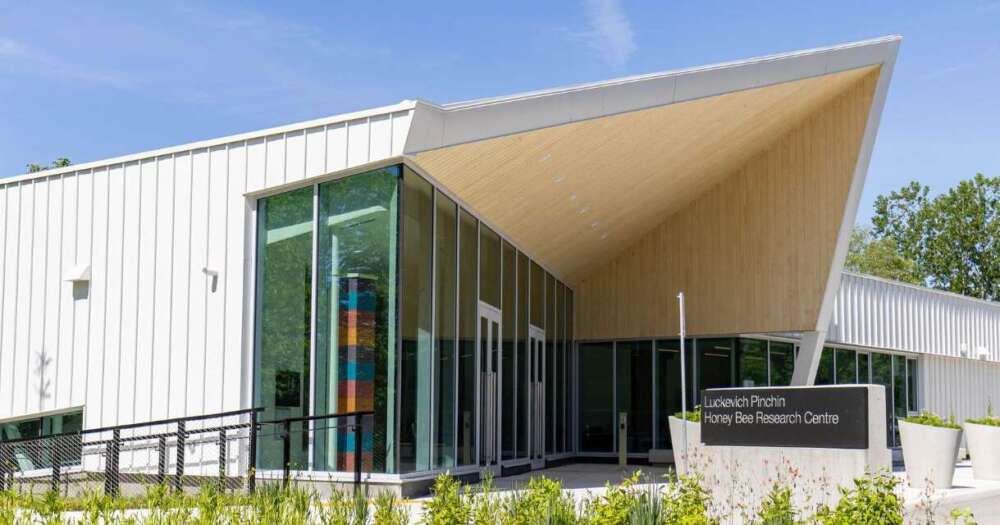
U of G’s Honey Bee Research Centre has a brand new facility