
In the fight against cancer, promising new discoveries don’t always come from where you might expect. New University of Guelph research published in the renowned hematology publication Blood has uncovered a surprising weakness in acute myeloid leukemia (AML) that a compound in a common skincare ingredient may be able to target.
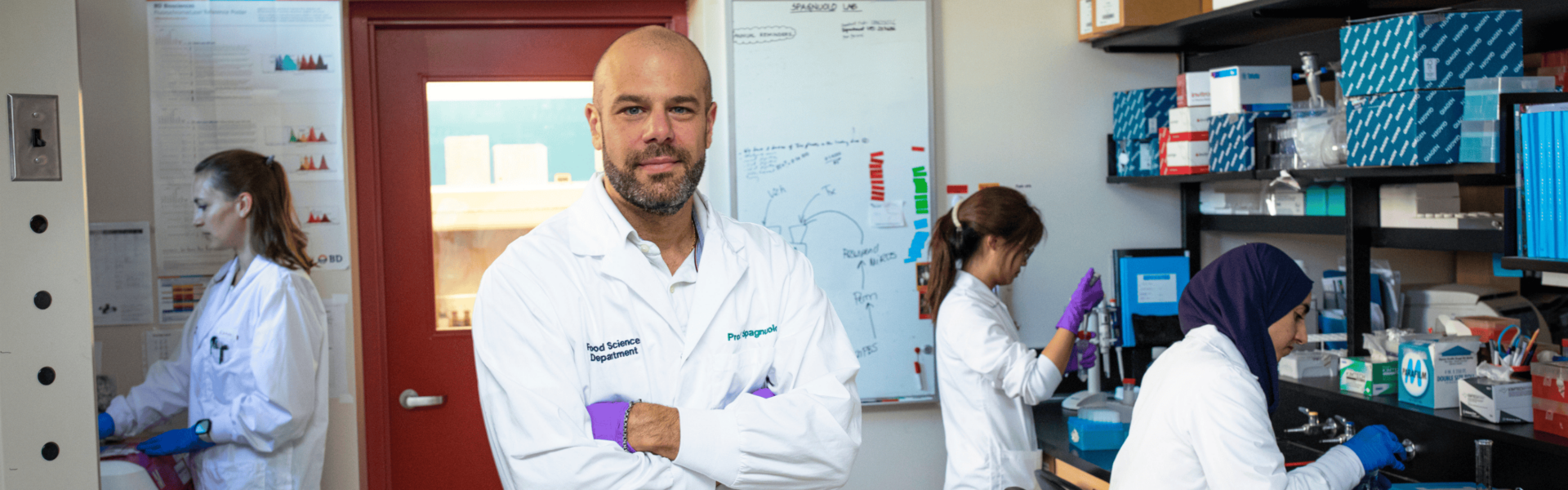
At a basic level, all cells need energy to survive. Healthy cells can switch between different energy sources, like fats or sugars, depending on what’s available. A research team led by Dr. Paul Spagnuolo in the Department of Food Science has discovered that leukemia cells are far less flexible. They rely heavily on breaking down a specific type of fat to stay alive, using a part of the cell called the peroxisome.
“Think of it like a fuel system,” says Spagnuolo. “Healthy cells are hybrid cars that can switch energy sources. Leukemia cells, on the other hand, are locked into one fuel type to survive.”
Jojoba compound may block cancer fuel system
Spagnuolo found that leukemia cells produce unusually high levels of a specific protein (called ABCD1), which acts like a gate, allowing specific fats to be processed.
“This protein is significantly higher in leukemia cells than in normal, healthy blood cells,” says Spagnuolo.
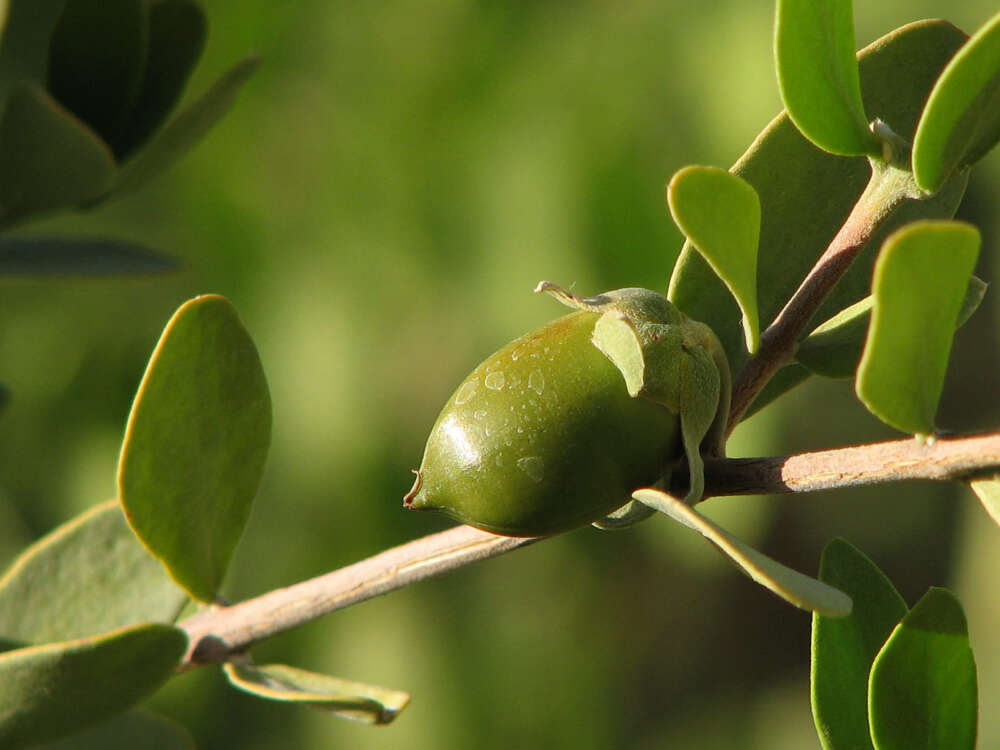
Spagnuolo’s team was the first to develop a compound that blocks this fat-to-fuel process in cancer cells. The compound is derived from jojoba, a plant native to the Sonoran Desert and widely known for its use in cosmetics and skincare products.
“When we inhibited the ABCD1 protein, the leukemia cells could no longer process the fats they depend on,” says Spagnuolo. “The fats built up inside the cells, ultimately causing the cancer cells to die.”
Meanwhile, healthy cells adapted by switching to another energy source and continued to survive. This kind of targeted effect is what scientists hope for in cancer treatment: killing cancer cells while leaving healthy ones largely unharmed.
Harnessing food science in cancer fight
“This is a great example of how research in agriculture and food science can have far-reaching impacts beyond what people might expect,” says Spagnuolo. “We’re connecting plant-based compounds to potential cancer therapies.”
The study is part of Dr. Spagnuolo’s broader research on plant-based nutraceuticals as potential cancer therapies, including recent work investigating how an avocado compound might inhibit leukemia cells.
While the jojoba research is still in its early stages, the results are encouraging, showing reduced leukemia and longer survival without major side effects. His next step is to further refine the jojoba compound into a potential drug that could be tested in humans.
Spagnuolo is also careful to avoid overstating the findings.
“This research is not about diet or nutrition changes, and it does not suggest that eating certain foods can treat or prevent leukemia,” says Spagnuolo. “Instead, it represents a promising direction for future drug development.”
While the study looked at leukemia, the discovery could have broader applications. The same “fuel system” that leukemia cells rely on is also used by several other types of cancer, raising the possibility that similar treatments could one day help patients with other cancers as well.